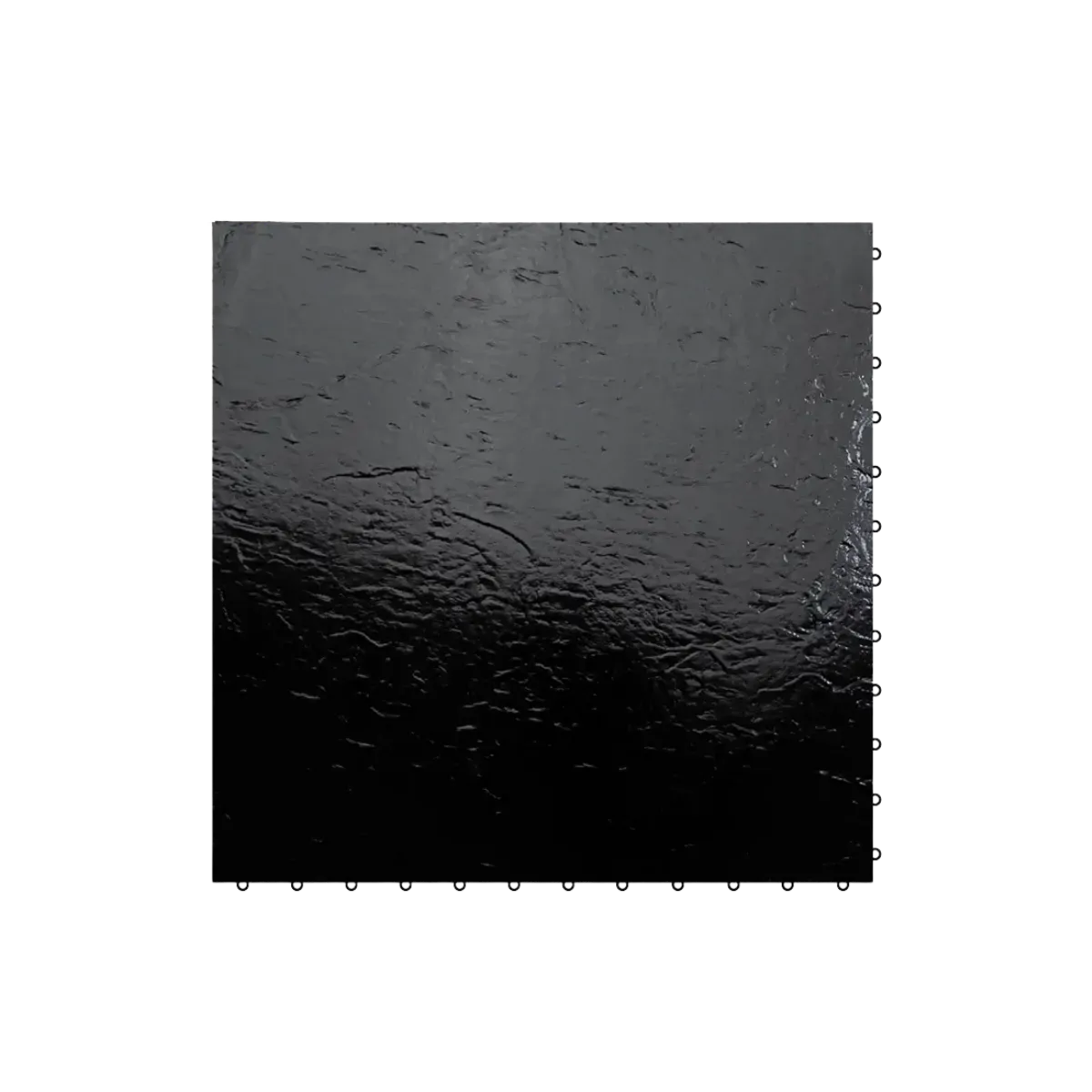
Dance Floors
White Dance Floor Rentals
A white floor changes a room. It throws light back up instead of swallowing it, so uplighting, gobos and pin spots all read harder and every photograph taken on it comes back brighter.
On the list. See the list
Specifications
It is a floor a logo can land on.
A blank surface takes a monogram or a projection where a patterned one argues with it. The interlocking mechanism holds the panels tight to each other and there is no sub-frame under them — the assembled floor carries itself. It is fully waterproof and self-draining, which is what makes it usable under a tent or on a patio rather than only in a ballroom.
| Colour | White |
|---|---|
| Tile size | 12 × 12 in (1 sq ft) |
| Weight | approx. 2 lb per sq ft |
| Assembly | Snap-together interlocking panels, no tools |
| Sub-frame | None — the panels carry themselves |
| Water | Fully waterproof, self-draining |
| Edging | Beveled trim finishes the perimeter |
| Use | Indoor and outdoor |
| Standard sizes | 12×12, 16×16, 20×20, 24×24 ft |
| Custom shapes | Available — modular panels, any footprint |
Four footprints
Four footprints and what each one holds.
The category page explains the arithmetic — about 4.5 sq ft for each person actually dancing, against a third to 40% of the room on the floor at its busiest. What changes on a white floor is how far the light travels once they are standing on it.
| Floor | Area | Dancing at once | Suits a guest count of roughly |
|---|---|---|---|
| 12 × 12 ft | 144 sq ft | ~32 | 80–100 |
| 16 × 16 ft | 256 sq ft | ~57 | 140–170 |
| 20 × 20 ft | 400 sq ft | ~89 | 220–270 |
| 24 × 24 ft | 576 sq ft | ~128 | 320+ |
12 × 12 ft
The smallest floor that still reads as a real dance floor rather than a gesture — a private dining room, a smaller reception or a second floor in a separate room. Plan the seating around it rather than fitting it in afterwards: 144 sq ft has to come out of the floor plan before the tables go down, not after.
16 × 16 ft
The size we send out most and the step up from 12 feet is bigger than the numbers suggest: at 16 feet a side the floor stops being a spot people take turns on and becomes somewhere a crowd moves through. It also gives a DJ or a small band an edge to set up against without eating into the dancing area.
20 × 20 ft
The ballroom size, filling the centre of a large room properly instead of floating in it. Large enough to take a monogram or a logo projection cleanly, to sit inside a ring of uplights without spill and to hold a first dance with a photographer working a full circle.
24 × 24 ft
Needs a genuinely flat area — walk the room or the tent footprint in advance rather than finding a dip on install day. If you are between two sizes and the event has a live band or a late finish, take the larger one: the table above is a floor at capacity, not a floor with room on it.
Where a white floor is the right call
Six rooms it brightens.
Weddings
It lifts the light in a room that is usually being lit warm and low, so a photograph taken on it comes back brighter than one taken on a dark floor.
Galas and fundraisers
A pale floor in the middle of a dark room is a focal point before anybody is standing on it, which is useful when the dancing is the last third of an evening that started seated.
Monogram and logo projection
A gobo needs somewhere to land. On white it reads at full contrast from across the room; on a dark or patterned floor most of it is lost before anybody looks down.
Brand launches
The floor becomes another surface the identity can sit on — and the one that ends up in the most photographs, because guests photograph each other standing on it rather than photographing the wall behind them.
Marquees and patios
A pale floor does more under canvas than it does in a ballroom. There is less around it throwing light back, so more of what the floor returns is the only light the space has after dark.
Non-standard shapes
Runways, L-shapes, a long rectangle down the length of a marquee, a floor that wraps a central feature. The panels are modular, so the four sizes above are conventions rather than limits.
The other half of the decision
What the floor does with light.
White returns light and black absorbs it and that single difference decides more than the colour scheme does. If the room has a rig in it — beams, lasers, haze, anything aimed — the pale floor washes it out and the dark one is what makes it visible all the way to the ground.
See the black dance floor