
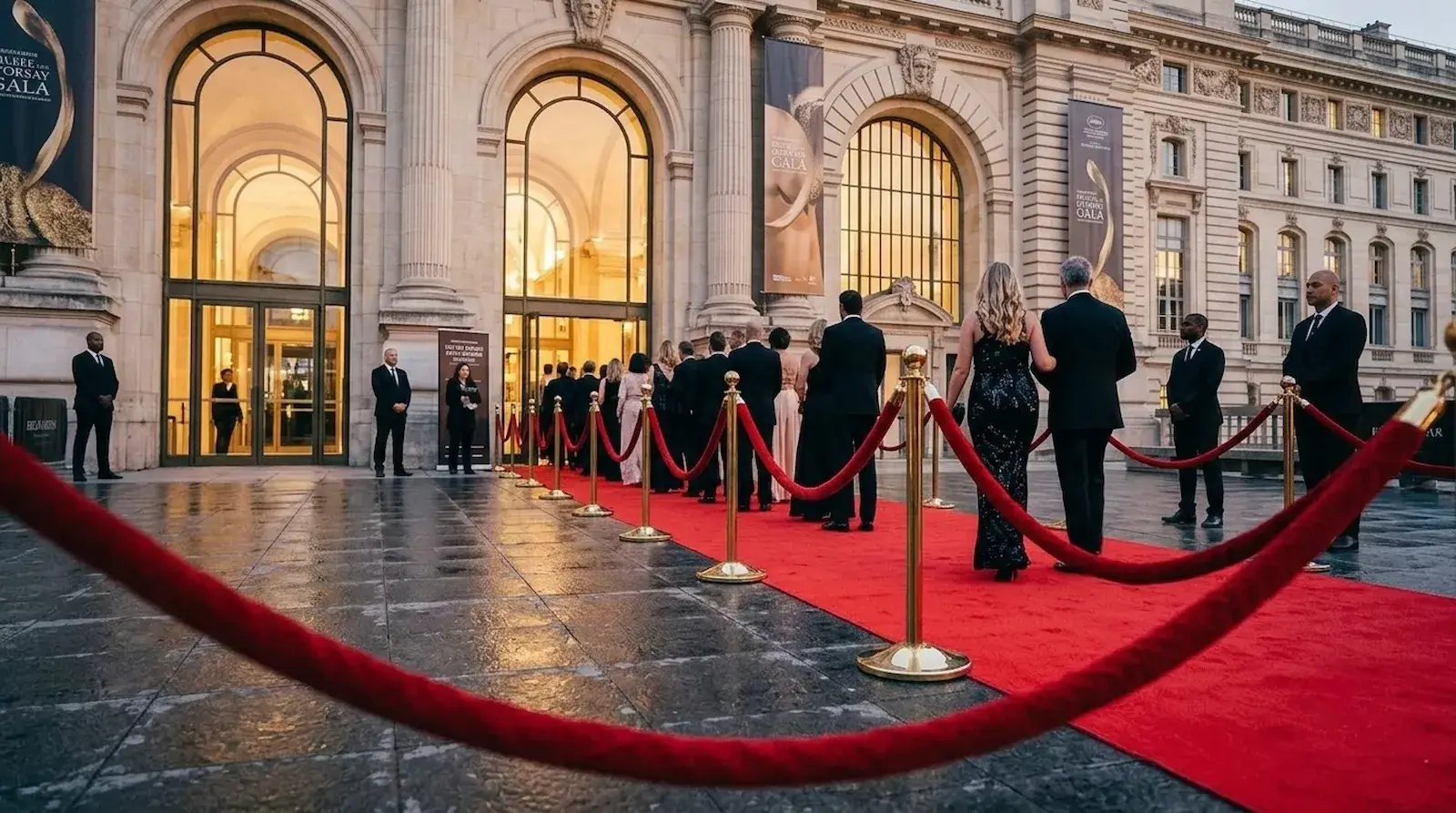
Queue Management
Crowd Control Rentals in Toronto and Vancouver
Everything you need for crowd management, from stanchions and carpet runners to barricades and stage barriers.
What sits in this category
Everything here does one of two jobs.
One half of it makes an entrance presentable — the other half decides where the crowd walks.
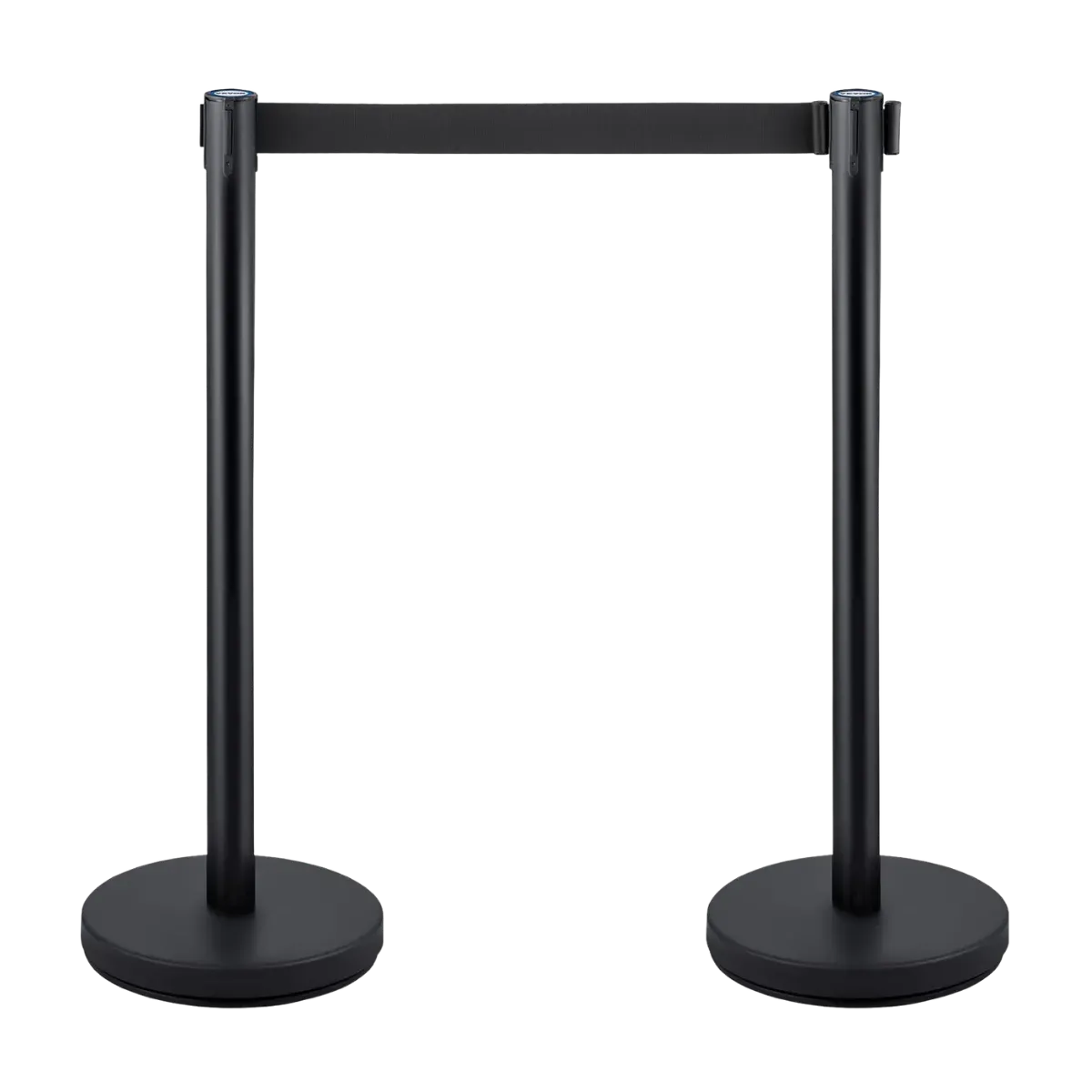
Belt stanchions
A weighted post with a retractable belt inside its head.
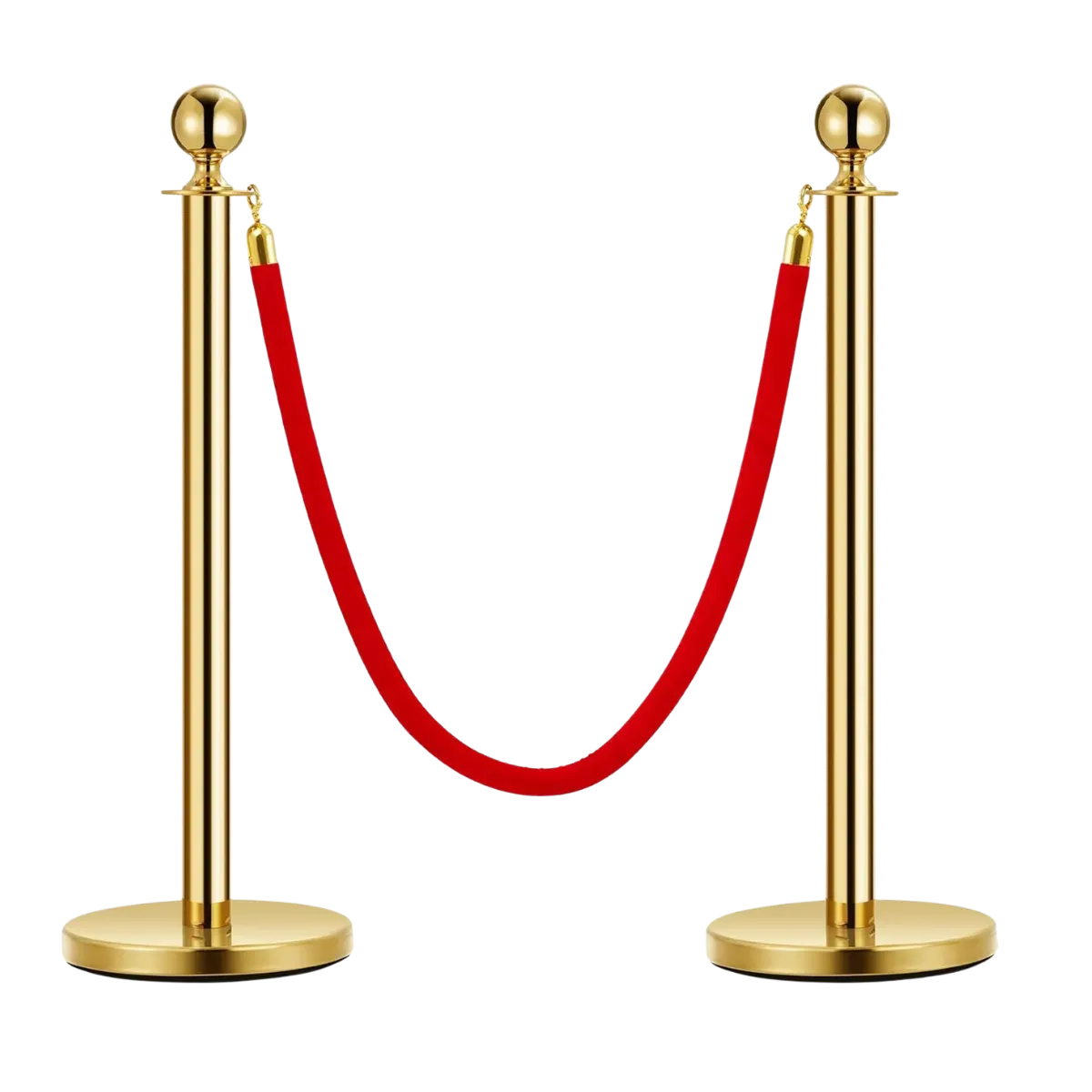
Rope stanchions
A ball-top post that carries a velvet rope across to the next one.
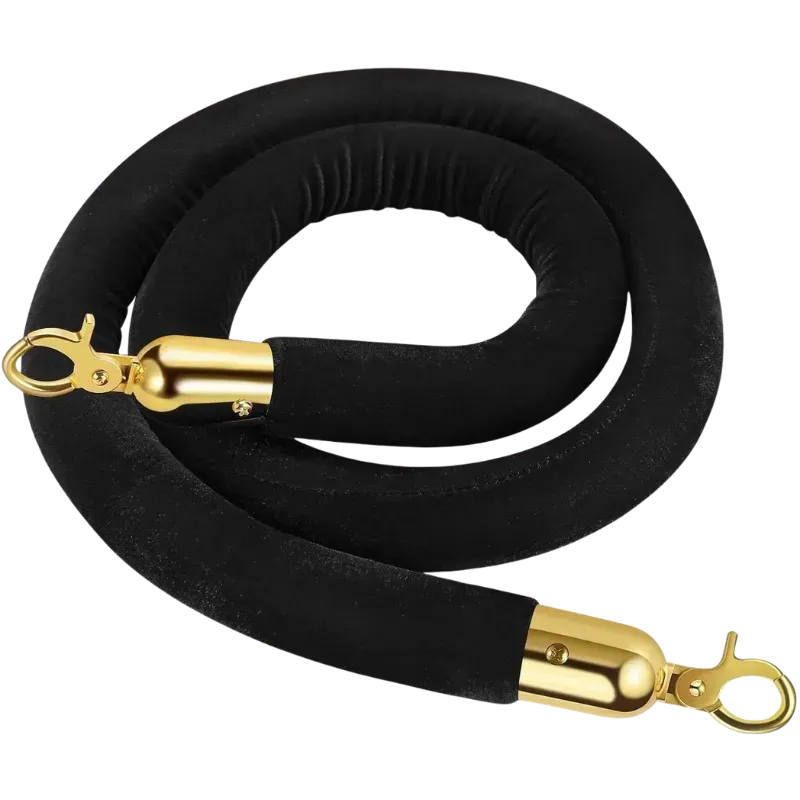
Velvet ropes
The 5 ft rope on its own, in nine colours.
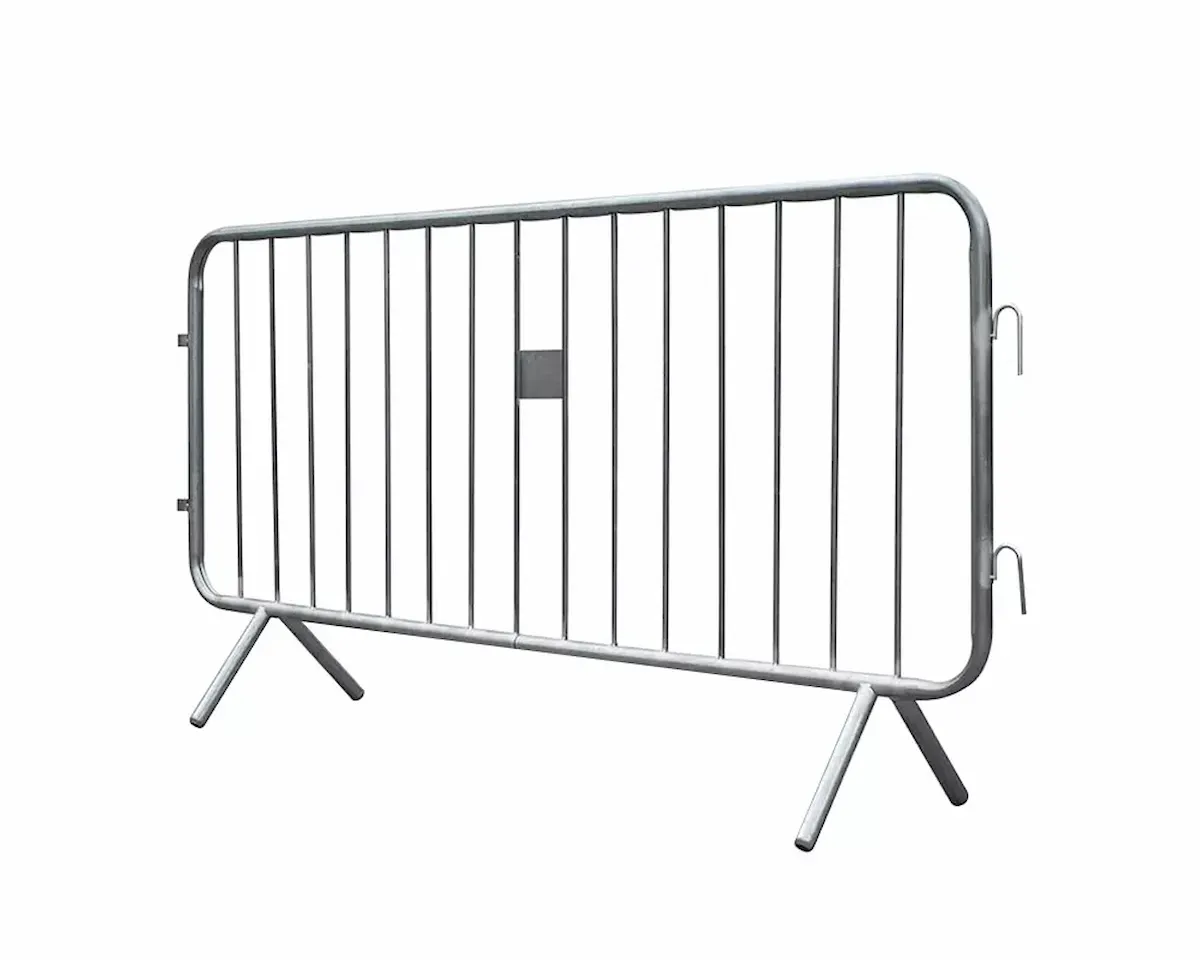
Bike rack barricades
Galvanised steel sections that hook end to end into one line.
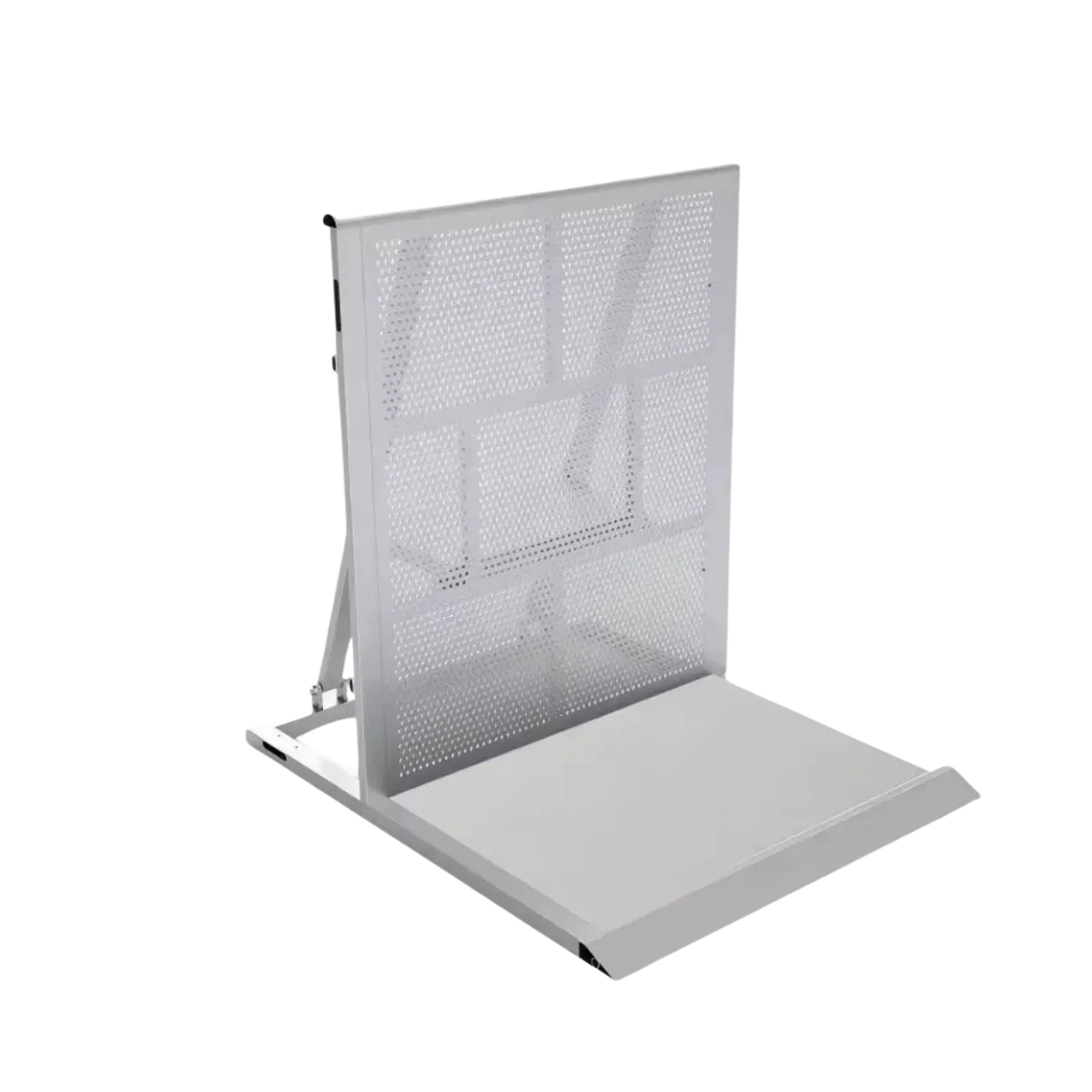
Stage barriers
Aluminium barricade built to take the weight of a crowd pushing.
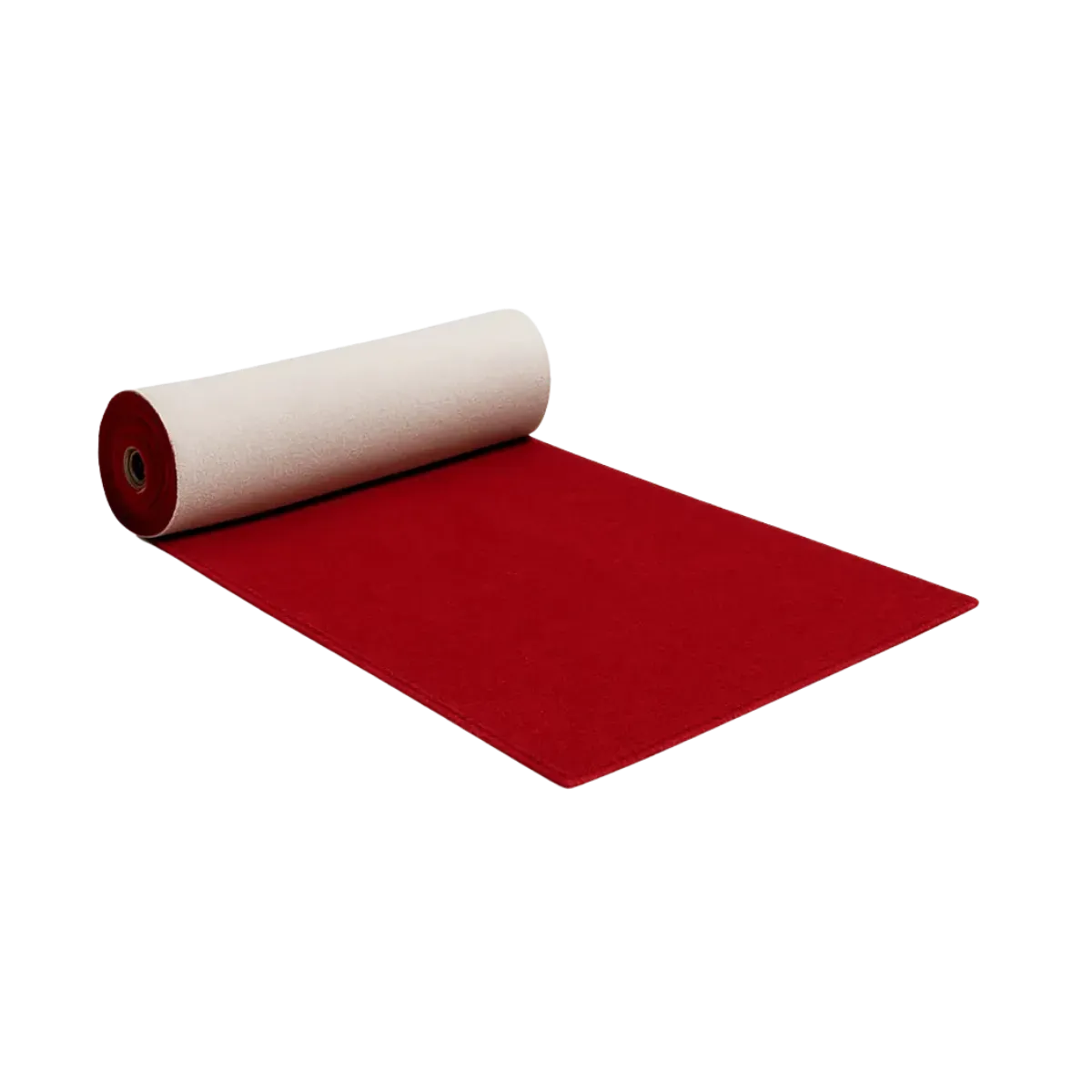
Carpet runners
Event carpet in four colours, ready-cut in many lengths or made to your measurement.
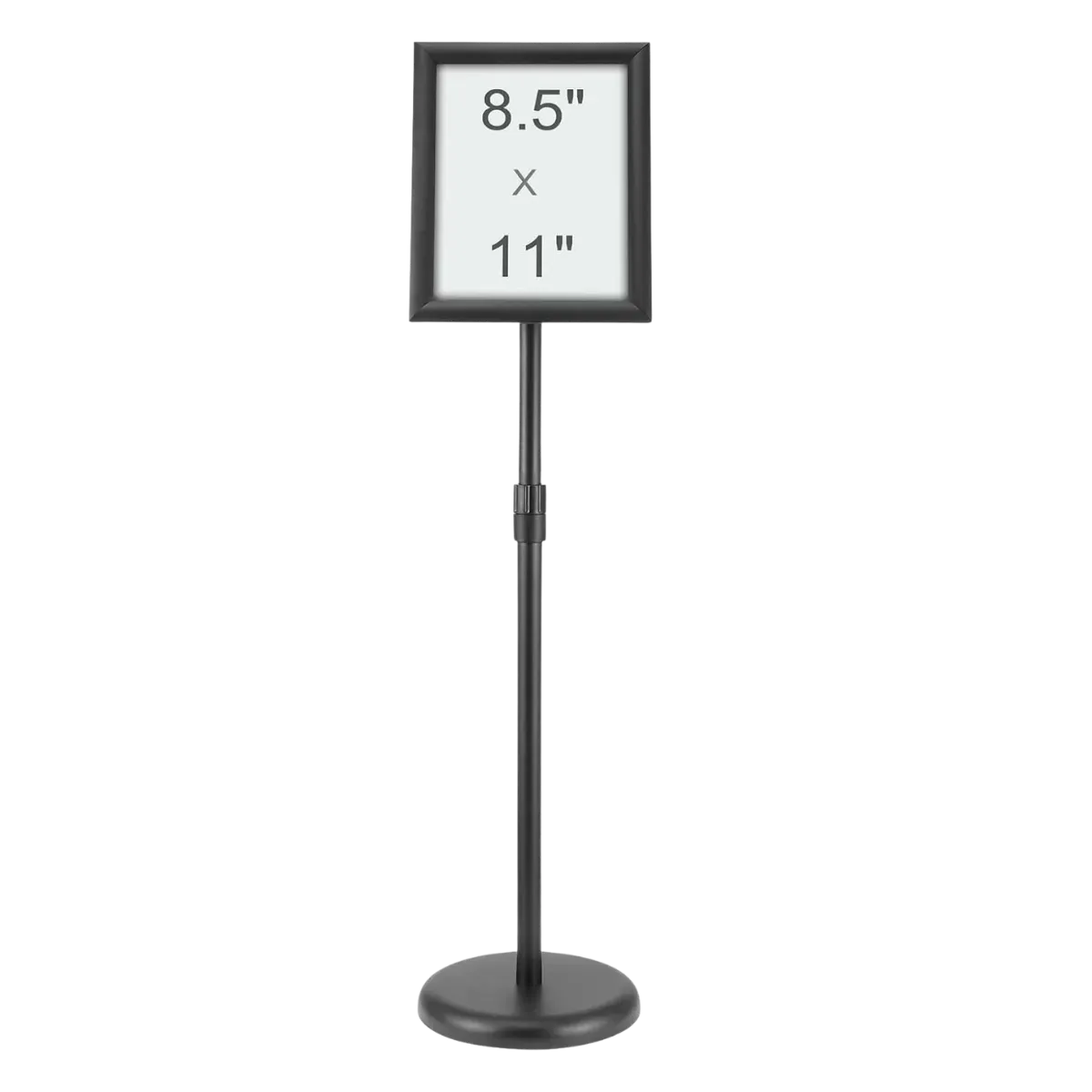
Accessories
Sign toppers, freestanding sign stands and 25 lb sandbags.
- Black Belt Stanchion
- Blue Belt Stanchion, Black Post
- Red Belt Stanchion, Black Post
- Chrome Belt Stanchion
- Chrome Belt Stanchion, Blue or Red Belt
- Gold Rope Stanchion
- Black Rope Stanchion
- Chrome Rope Stanchion
- Velvet Rope
- Bike Rack Barricade
- Stage Barrier
- Red Carpet Runner
- Black Carpet Runner
- Green Carpet Runner
- Navy Carpet Runner
Working out how many
The arithmetic, so the request arrives with a number in it.
Every one of these is a property of the equipment, not a rule of thumb. Measure the run, divide and add the post that closes the end.
Belt posts
The belt is 10 ft and the run is planned at 8 ft post to post. Divide the length by 8, round up, then add one for the far end — a 40 ft lane is six posts. Add one at every corner.
Rope posts
A velvet rope is 5 ft and hangs with a drop, which puts the posts about 4 ft apart. Divide by 4 and round up for the ropes; the posts are one more than that.
Barricade sections
A steel section covers 6.9 ft once hooked to its neighbour, which is 7 ft for the purposes of the sum. Divide the run by seven, take the next whole number and add a section or two as slack — there is no end piece, because the last section is the end. Every gate costs about one section in rounding.
How much queue that holds
People stand at roughly a metre each front to back. A 40 ft lane is about a dozen deep before it stops feeling like a line and starts feeling like a crowd — past that, add lanes rather than length.
Where it goes
The five places this equipment usually ends up.
Arrivals and red carpet
A runner down the middle, rope posts along both sides and the post finish chosen against the carpet rather than against the building.
Registration and badge collection
Belt posts folded into a switchback, so a queue that would run the length of a foyer fits the corner it has been given.
Brand activations and pop-ups
A footprint marked out on open ground, with the line moved twice a day as the traffic pattern turns out to be different from the drawing.
Press lines and photo calls
A held line with a fixed distance behind it, where the constraint is the lens length rather than the number of people.
Perimeter and back of house
Steel sections around generators, cable runs and load-in doors — the part of the site plan nobody photographs and every inspector looks at.
Contact Form
Send us a request and we will come back within a few hours.
Call instead if you need the answer sooner.